Ticket price is the single biggest lever on your margins — and the one most operators set by gut feel. Price too high and sell-through stalls; too low and you sell out without making money. Here's a practical way to price competition tickets that protects your margin and still feels fair to entrants.
Start with break-even, not the price
Work backwards. Add up your fixed costs for the draw: the prize cost, payment processing fees, marketing spend, platform/plugin costs and a margin target. Divide by the number of tickets you realistically expect to sell (be conservative). That gives your break-even price per ticket. Your selling price needs to sit comfortably above it — never set price before you've done this sum.
Match price to the prize and the audience
A £15,000 car draw can support a higher ticket price than a £100 gadget. As a rough feel: low-value prizes sell best at impulse prices (often under £1–£2 a ticket), while big headline prizes can carry more — but only if entrants believe the odds are reasonable. The perceived value of the prize sets the ceiling on what people will pay.
Use bundles to lift average order value
Most of your revenue upside isn't in the single-ticket price — it's in bundles. Offer 1, 5, 10, 25 ticket options with a gentle per-ticket discount as quantity climbs. This nudges the average order value up and feels generous to the buyer. Anchor with a "most popular" bundle in the middle to steer choices. For instant-win draws especially, bundles also mean more reveals per order — which is more fun and more sticky.
Mind the psychology
- Charm pricing: £0.99 and £4.99 still outperform round numbers for impulse buys.
- Anchoring: show the biggest bundle first so smaller ones feel cheap.
- Scarcity: a visible ticket cap or "X% sold" bar creates urgency — and is good practice for transparency.
- Free entry route: if you run a prize competition or free draw model, make the free entry option clear; it also reassures buyers the draw is legitimate. (See our UK competition basics.)
The experience supports the price
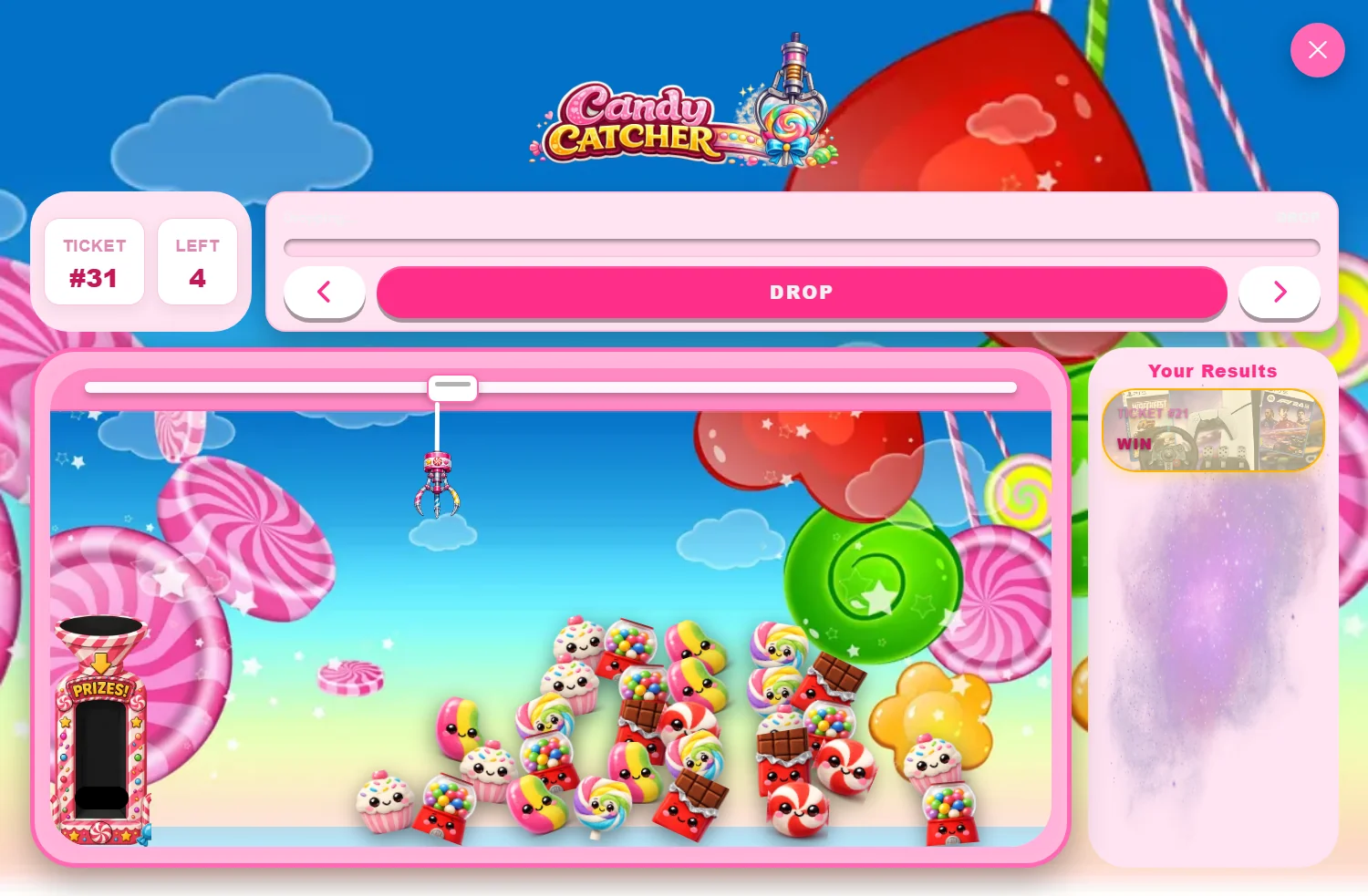
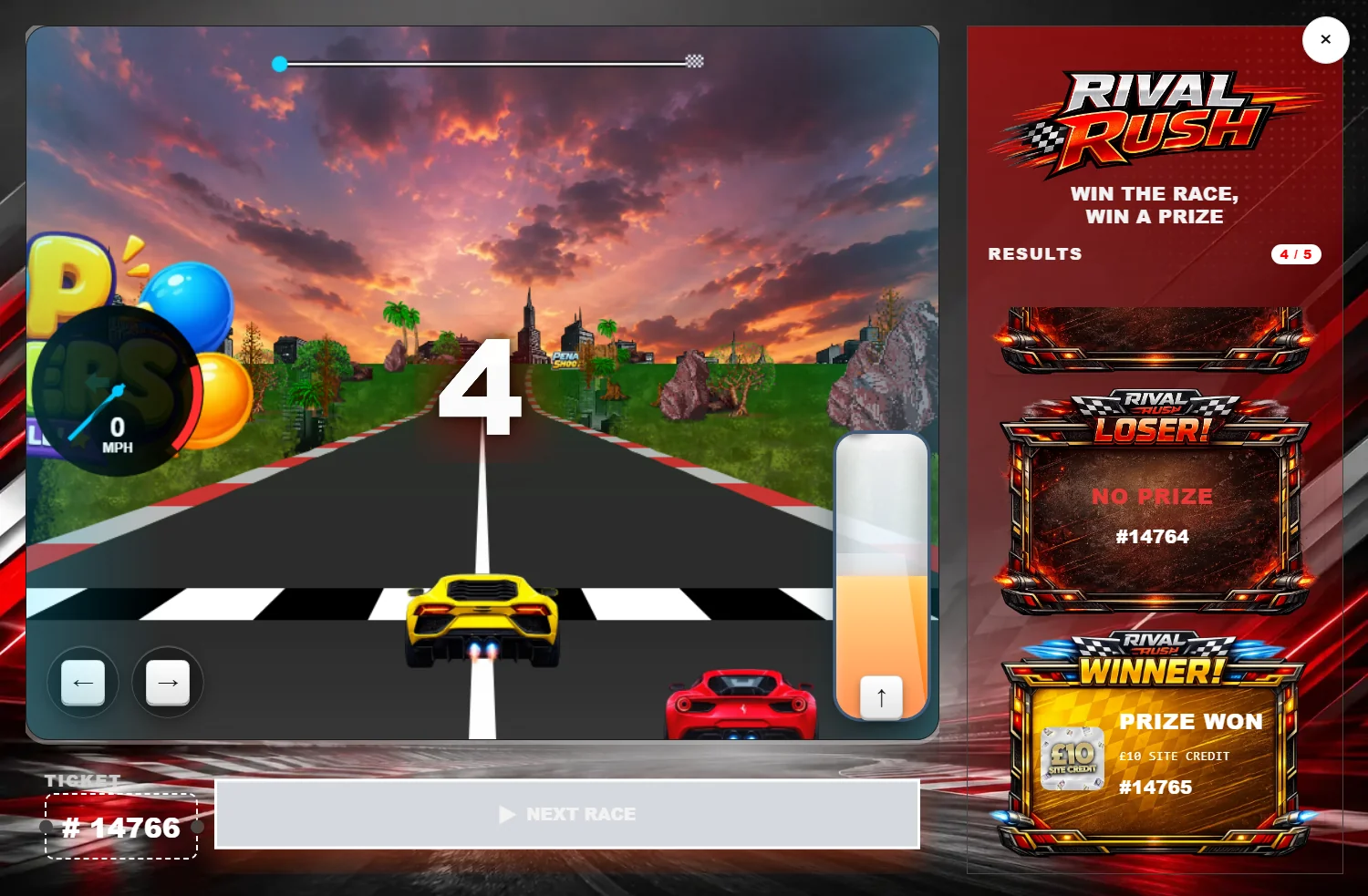
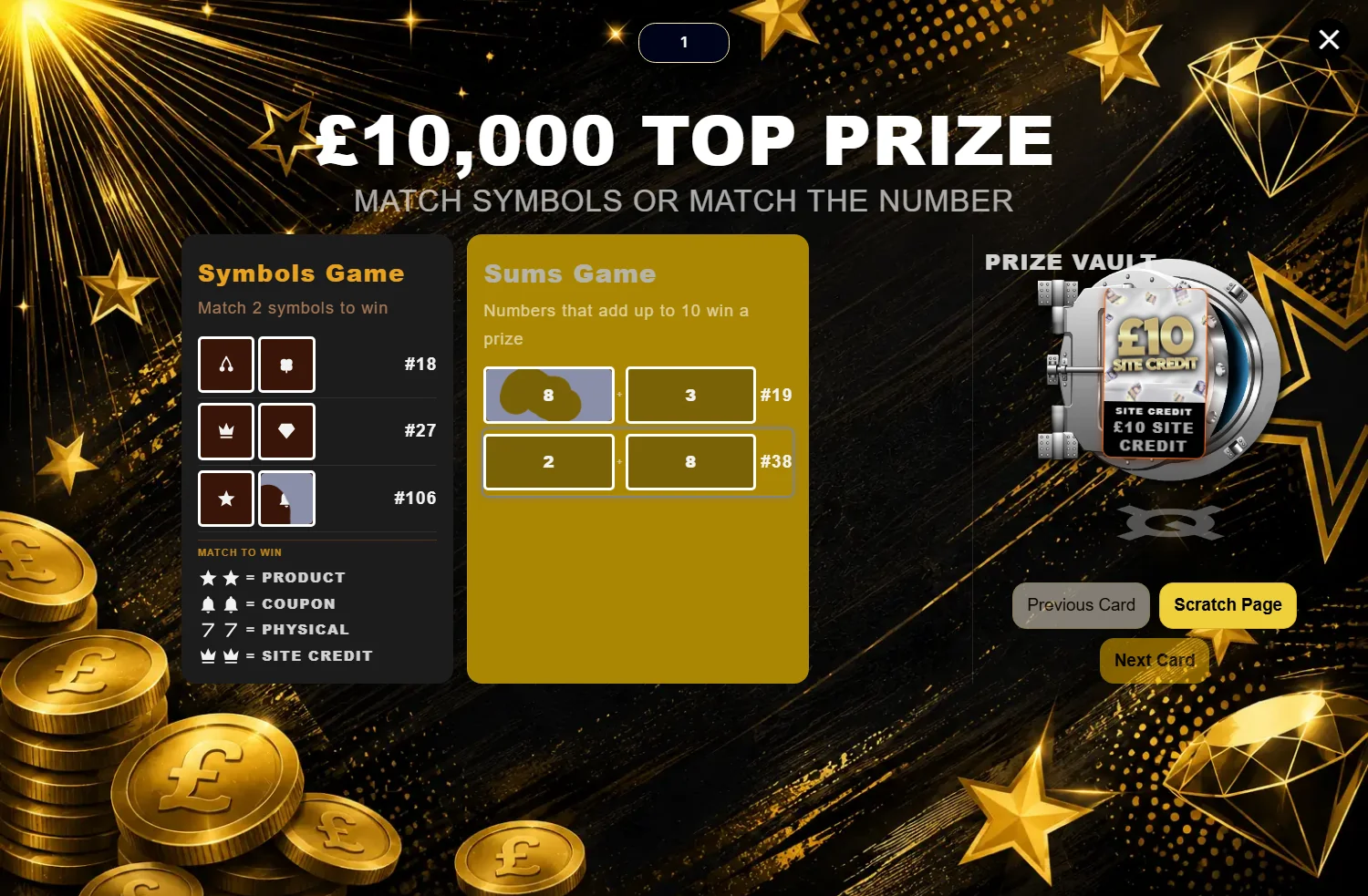
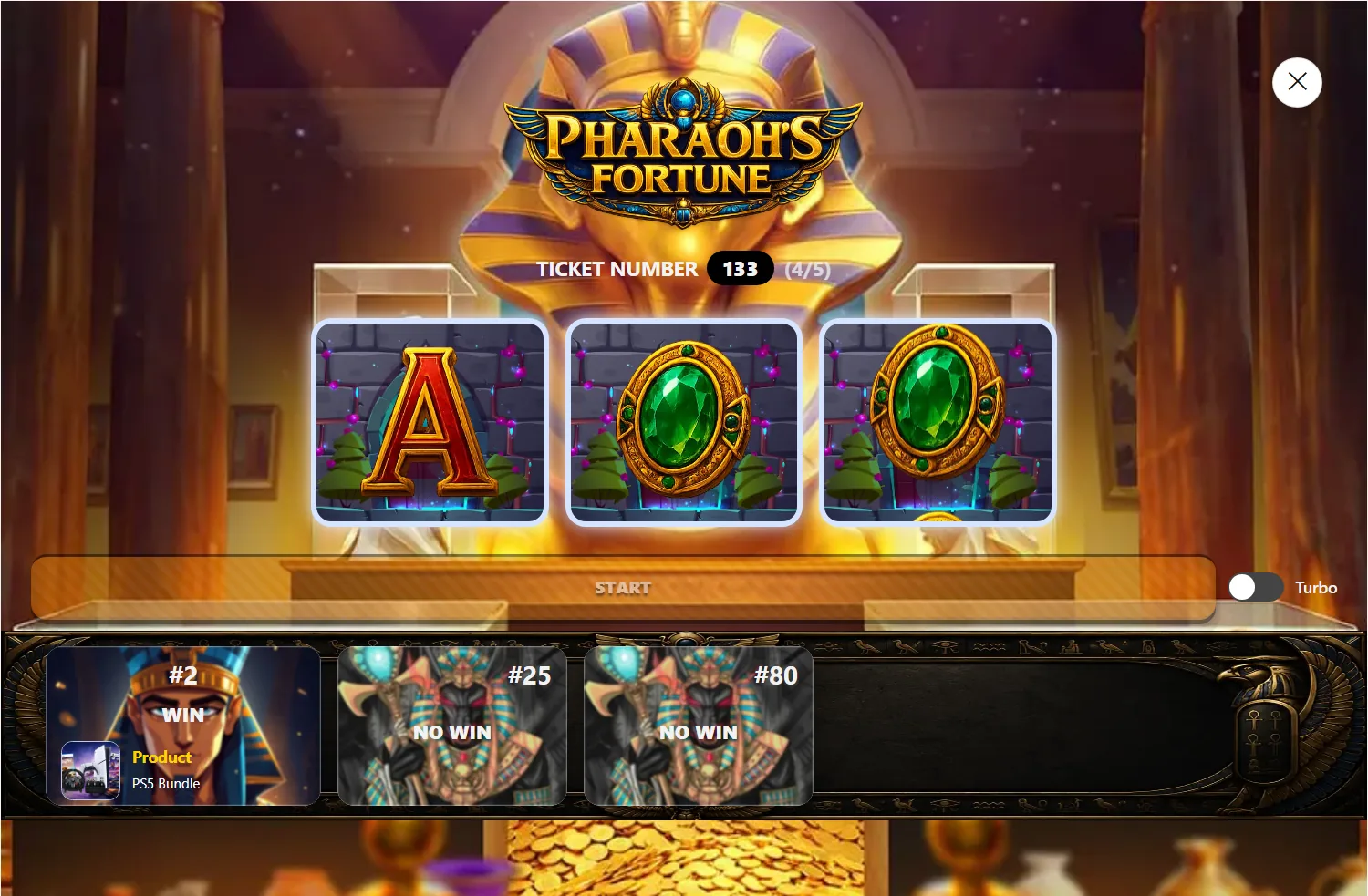
Here's the part operators miss: a better experience lets you hold a better price. When entering feels like playing a game rather than filling a form, the perceived value of each ticket goes up. An interactive reveal — a scratch card, spin or slot on every result — makes the same £2 ticket feel like more fun than a competitor's flat "you didn't win" message. You're not just selling a chance; you're selling a moment.
Test, don't guess
Run two similar draws at different price points (or different bundle structures) and compare revenue per visitor, not just tickets sold. The "right" price is the one that maximises total profit, which is rarely the cheapest or the priciest. Review after every draw and adjust.
Price with the maths, package with bundles, and back it with an experience worth paying for. That combination is how competition sites grow margin and loyalty at the same time.