There is a specific irritation in building a site for a client and handing over an admin area with somebody else's brand in it. The work is yours. The plugin list says otherwise.
For a one-off build it is cosmetic. If competition sites are a line of business, it compounds — every client, every support conversation, every screenshot in your documentation.
What the white-label edition is
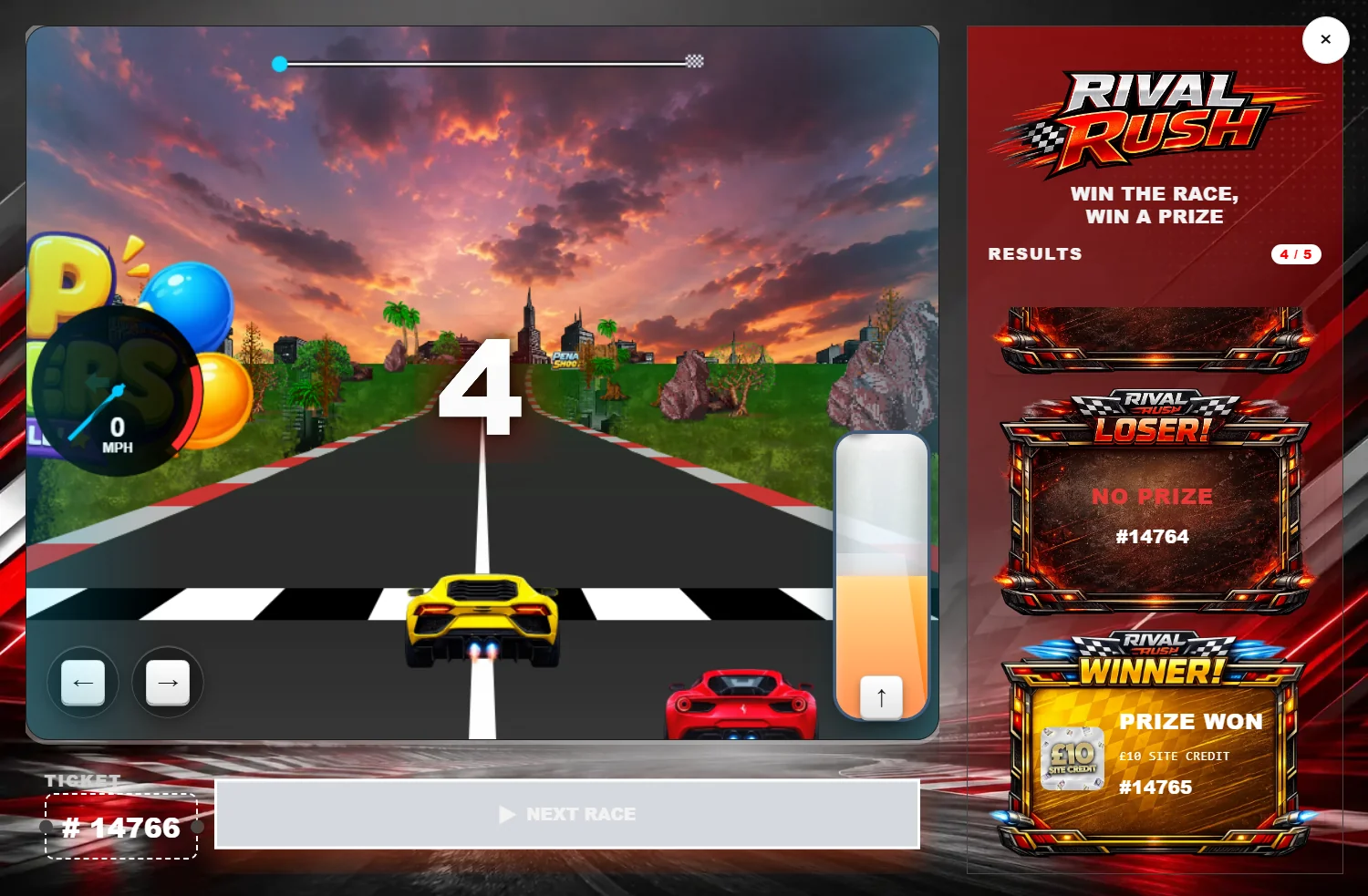
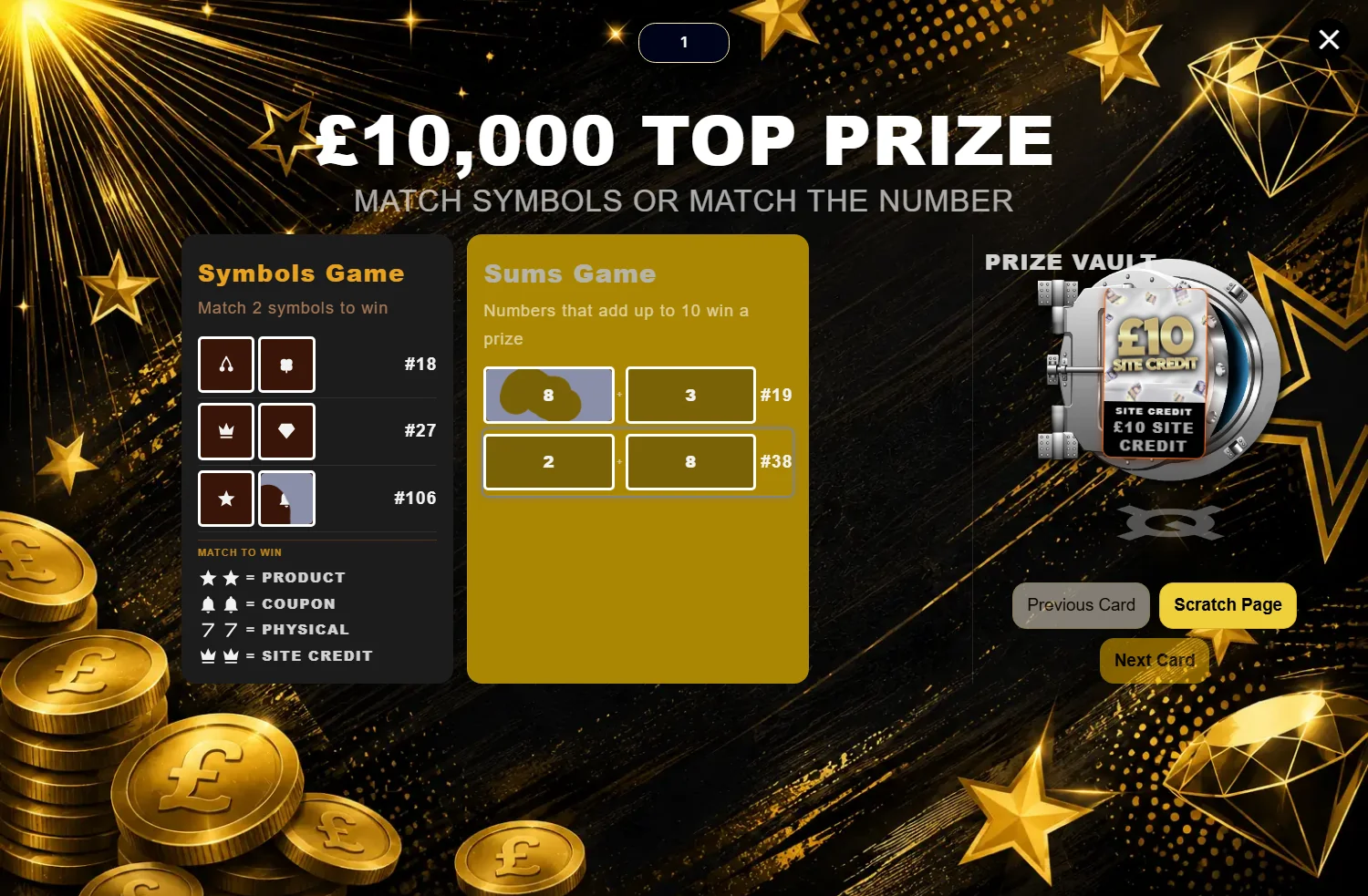
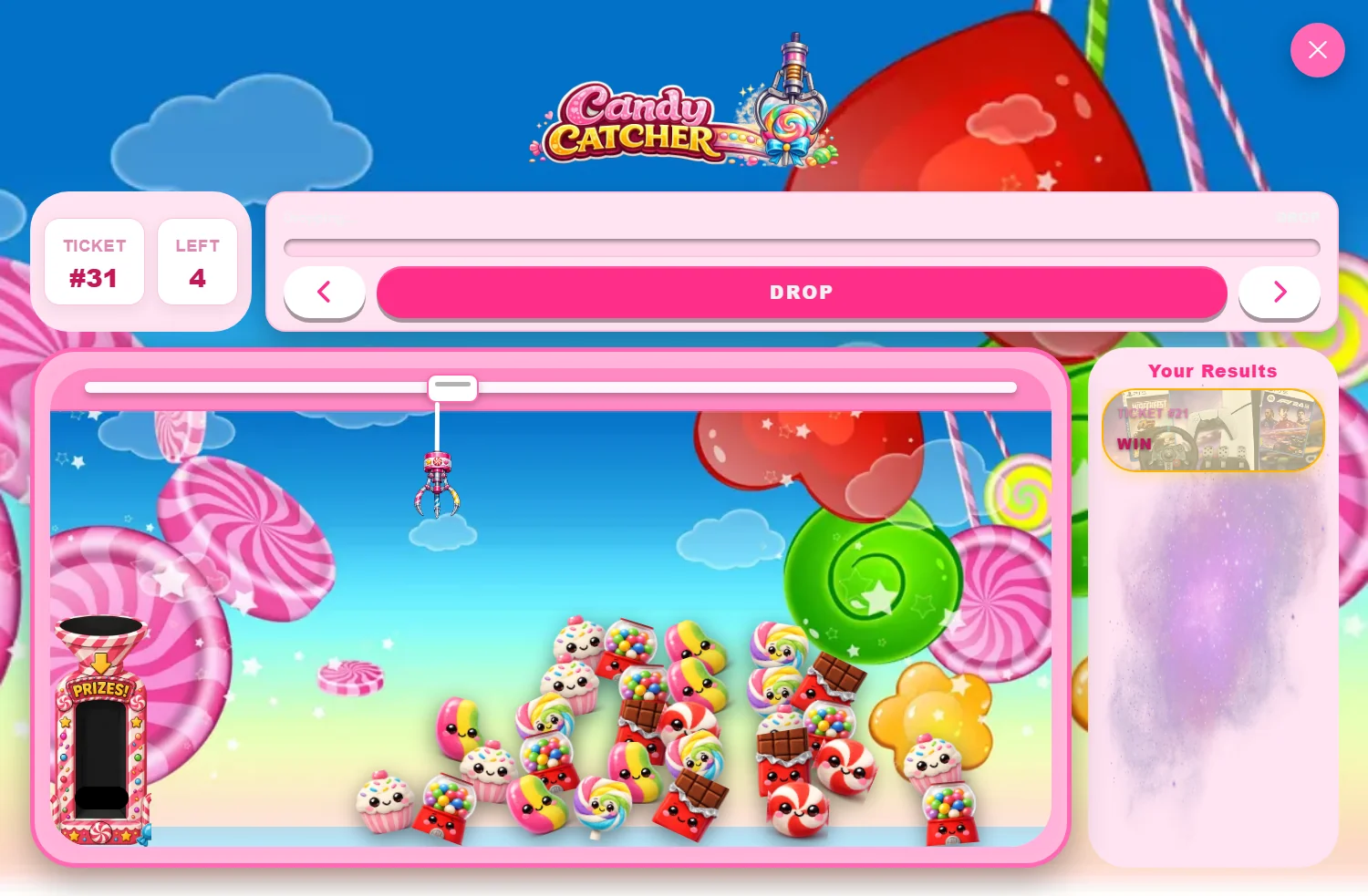
CompKit ships a rebranded edition, Game Addons. It is the same product with the branding swapped: same eight game modules, same settings screens, same licencing behaviour, different name throughout the admin.
Critically, the game code is shared between editions. Only the outer shell differs — the plugin header, the folder name, the readme, the name that appears in the interface. That is a deliberate architectural choice, and it is the reason it stays trustworthy: a fix to the football module is a fix in both editions on the same day, because it is the same file.
White-label products that fork the whole codebase drift. This one cannot, because there is nothing to drift.
Who it actually suits
- Agencies building competition sites. You hand over a finished product with your name on it, and support conversations start with your brand rather than a plugin the client has never heard of.
- Operators running several brands. If you run three competition sites under different names, a single third-party brand appearing in all three admin areas is a needless tell.
- Platform builders. If competitions are a feature of something larger you sell, the reveal games should look like part of it.
It suits a single-site operator considerably less. If you run one competition site and your customers never see the admin, you are paying for something nobody will notice.
What does not change
Worth being clear about the boundaries.
The underlying dependency is unchanged: this is still an add-on for Giveaway for WooCommerce by Flintop, and that plugin's own branding is not ours to rebrand. White-labelling covers the reveal games, not the giveaway engine underneath.
Licencing is still per site. A white-label edition is not a redistribution licence — each site a client runs needs its own entitlement, exactly as it would otherwise.
And the games are the games. White-label changes the label, not the feature set. That is the point: you are not getting a lesser version.
How the per-site model works in practice
The mechanism is the same in both editions. The free core carries no premium game code at all — it holds a catalogue of names. A module only loads when it is enabled, licenced, and physically present.
So a client's install contains only the games they have entitlements for. There is no hidden bundle sitting on disk waiting to be unlocked, and nothing is downloaded and run at runtime. For an agency this matters: what you hand over is auditable, and the thing you install is the thing you are licenced for.
Is it worth it?
The honest test is whether the client sees the admin, and whether you intend to do this more than twice. Both yes: it pays for itself in the first handover conversation you do not have to explain. Either no: buy the standard edition and spend the difference on prizes.
If you are weighing it up for a specific project, get in touch and describe the setup — it is a quicker conversation than a pricing page.